
The Changing Face of US Data Center Distribution16 min read
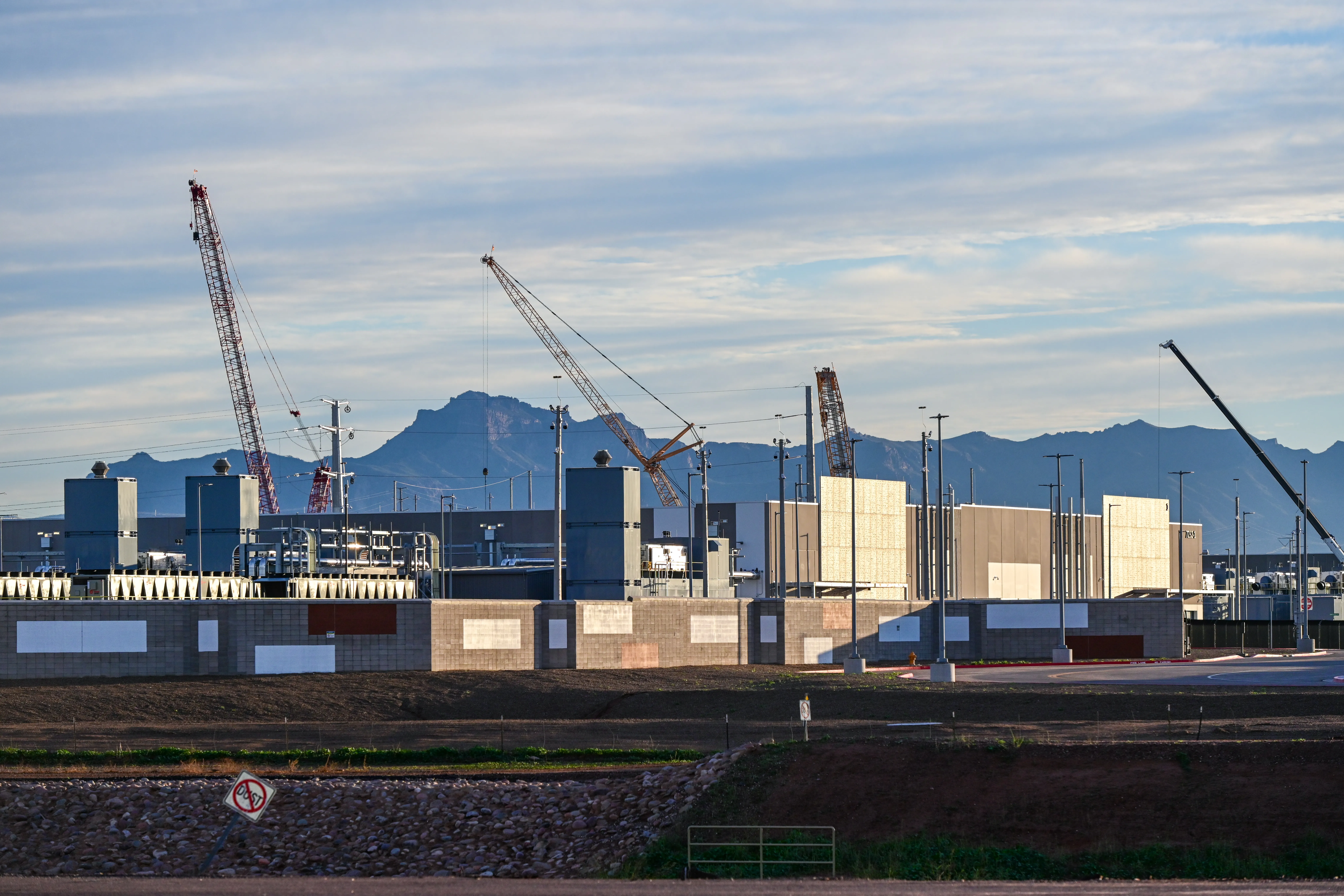
According to a study by Texas Royalty Brokers, Texas is already winning when it comes to GPU deployments and the opening of AI factories. Texas has 17 GPU cluster sites across the state, more than any other area. But Tennessee leads on AI chips. Although it only has four GPU clusters, they house over 1.27 million AI chips, largely due to the xAI site in Memphis.
AI infrastructure investment topped $200 billion in the US in 2024, most of it spent on data center construction and GPUs. The study compiled information on 214 AI data centers across the nation and grouped findings into 83 distinct GPU cluster sites.
The 17 GPU clusters in Texas house more than 811,000 AI chips with a combined processing power equivalent to 6.6 million Nvidia H100 units. Based on the fact that Texas generates 547 million megawatt-hours of electricity annually, researchers determined that AI would consume about 15% of that total if all clusters operated at full capacity at the same time.
Next came California with eight GPU cluster data centers and 216,000 processing units with a combined processing power of 190,000 H100 equivalents. Overall, these GPUs currently use only about 1% of California’s electricity.
Virginia’s five GPU clusters utilize around 163,000 AI chips with processing power equal to nearly 145,000 H100 units. Then comes Illinois (five clusters, 71,000 AI processing units, 7,600 H100 equivalents), Tennessee (four clusters, 1.27 million AI chips, 2.25 million H100 equivalents), Ohio (four GPU clusters, 500,000 AI processing chips, 1.26 million H100 units), Indiana (three clusters, 400,000 AI chips, 135,000 H100 units), Iowa (four clusters, 25,000 AI chips, 7,900 H100 units), Washington (three GPU clusters, 15,400 AI chips, 5,100 H100s), and New Mexico (three AI clusters, 4,600 AI processing units, 4,200 H100 equivalents).
Problems emerge in several states related to power availability. If these GPU clusters operated at full power, Tennessee would need to allocate 30% of its electricity output to its data centers, Ohio would require about 12%, and Indiana might consume nearly half of the state’s electricity.
“Investment in AI data centers is accelerating rapidly, with projections showing over $500 billion in spending through 2030,” said Eric Winegar, Managing Partner at Texas Royalty Brokers. “The South has emerged as the preferred region for these facilities because of lower energy costs, available land, and fewer regulatory barriers compared to other states. As more clusters come online, states will need to expand their power generation capacity significantly. What we’re seeing now is just the beginning of a much larger infrastructure buildout.”
The next few years could bring major changes to the distribution of AI factories. With available power being so critical, data center developers are favoring some non-traditional locations such as West Virginia, South Dakota, and Alberta, Canada. These sites are gaining attention due to cheap and abundant energy and a favorable regulatory climate. These same advantages also apply to Texas, which is forecast to be the biggest beneficiary of AI factory buildout in the coming years.
On the other side of the equation, Virginia’s dominance in data centers overall may hold for another decade. But it is likely to lose out on AI factory developments due to severe grid constraints, strong local opposition to more data centers, and shortages of both electricity and water. With higher energy costs in Virginia (natural gas is about a dollar cheaper in Texas), the region around the nation’s capital may not be able to sustain many power-hungry AI factories.
The industry's easiest to install containment!
AisleLok® solutions are designed to enhance airflow management,
improve cooling efficiency and reduce energy costs.
The industry's easiest to install containment!
AisleLok® solutions are designed to enhance airflow management,
improve cooling efficiency and reduce energy costs.

Drew Robb
Writing and Editing Consultant and Contractor
0 Comments