
Protecting the AI Data Center from the Grid and the Grid from AI Data Centers17 min read
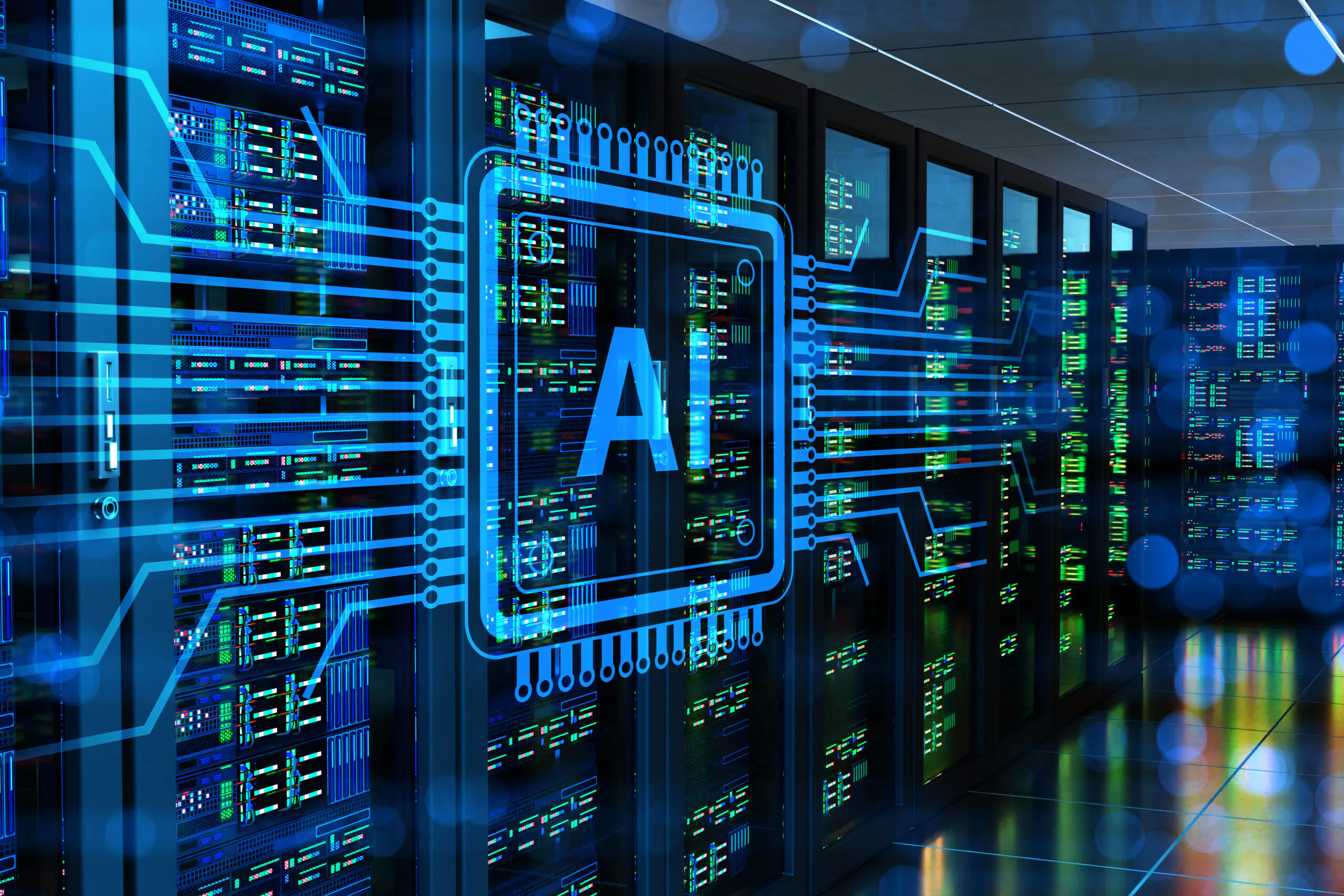
Data centers have always installed uninterruptible power supply (UPS) and power quality systems to protect them from grid instability and keep power quality high. That technology still applies. But now protection is needed in the other direction: to protect the grid from the extreme power fluctuations generated by AI applications.
AI data centers can experience massive swings in power that can surge up and down by 70% or more in milliseconds. In extreme cases, this can happen several times a second. The grid can’t deal with fluctuations of that magnitude. Now factor in the size of the latest data centers. With some facilities exceeding 1 GW and several 5 GW+ facilities being planned, short oscillations in voltage or current at that scale can destroy insulation, cause transformers to overheat, generate electrical arcing, start fires, and cause outages.
The situation is most noticeable in Northern Virginia, home to the largest concentration of data centers in the world. A couple of years ago, a minor grid fault triggered a series of data centers to switch from grid power to their own backup generators. Within minutes, 1.5 GW disappeared from the grid. Local grid operators scrambled and narrowly managed to prevent a regional outage. In July 2026, another incident occurred, this time with 3.8 GW of data center load tripping offline following a fault on a 230 kV line.
Now imagine that amount of power being consumed and dropped from the grid repeatedly. That’s the potential harm that modern AI data centers could wreak, as their load signature can vary from full load to almost nothing, sometimes several times a second. Hence, a variety of companies are proposing new architectures and advanced power electronics systems to protect the grid. This equipment is typically positioned between the grid and the data center to provide bidirectional protection.
UPS Systems Evolve
UPS systems provide essential protection for data centers from grid frequency variations and sudden power loss while ensuring power quality remains at an acceptable level and providing short-term backup power. Systems are now appearing that provide bidirectional UPS capabilities.
Miami-based ON.energy, for example, has released AI UPS. These 3.5 MW units consist of a power conversion system (PCS), batteries for up to eight hours of power, another PCS, and a transformer, as well as software and controls. In one direction, the PCS units convert grid AC to DC for battery storage and back to AC for the data center equipment while maintaining power quality. In the other direction, the PCS acts as a buffer, absorbing and smoothing transients caused by sudden load swings that could disrupt the grid. As it is situated externally to the data center, it eliminates the need for an internal UPS room, freeing up more space for compute equipment. The system recently passed a series of tests conducted by the U.S. National Lab of the Rockies (NLR).
Another approach comes from data center power infrastructure provider Dimaag. It is designed to help data centers stay connected to the grid and ride through short drops in voltage. It comprises batteries and control software, as well as rectifiers used to switch from AC to DC. It protects against load fluctuations from the grid and delivers voltage ride-through support in real time while reducing the number of AC-to-DC conversions required. Electric Power Engineers (EPE) evaluated Dimaag technology in a simulated data center and found it effective in buffering extreme DC-side power fluctuations and delivering voltage response.
Ramboll offers another alternative that functions as a shock absorber for the grid. It is said to assist utilities and grid operators in bringing more wind and solar energy onto the grid by reducing outage risk, increasing resilience, and lowering development costs. Ramboll’s Static Synchronous Compensator (STATCOM) provides damping and converts voltage oscillations into usable power.
Power distribution unit (PDU) technology is another area that is evolving to cope with AI data center load swings.
Regulatory Pressure
Mounting public and governmental pressure on data centers to operate as good grid citizens has already led to a series of state and local regulations requiring such technologies as part of data center construction. More regulations are coming. Instead of the cost of such systems being placed on utilities and passed on to ratepayers, some jurisdictions are making data center developers pay for the equipment and include it in their designs prior to approval.
Setting the standard for rack power reliability.
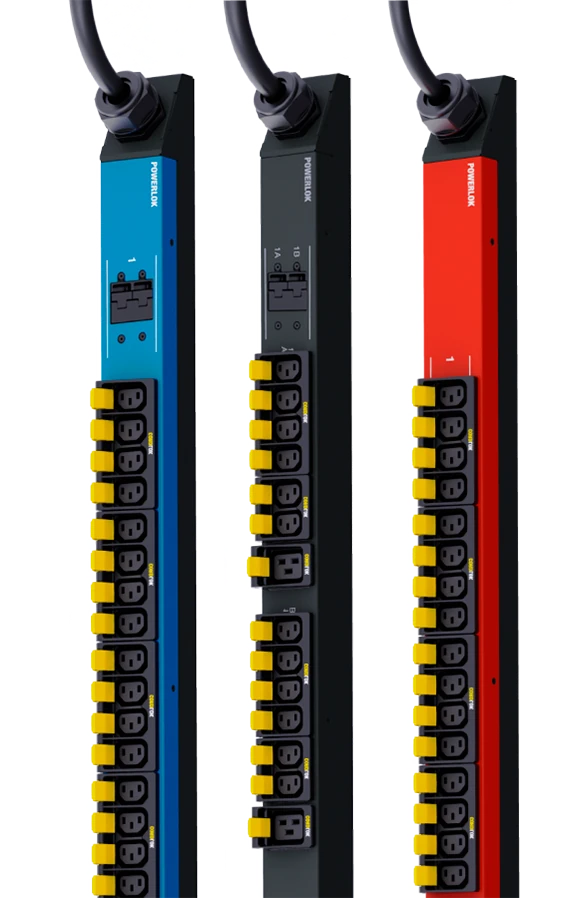 With automated soldering from line input to each receptacle,
PowerLok® eliminates all mechanical connections, making it 270%
less likely to fail than rack PDUs with mechanical terminations.
Setting the standard for rack power reliability.
With automated soldering from line input to each receptacle,
PowerLok® eliminates all mechanical connections, making it 270%
less likely to fail than rack PDUs with mechanical terminations.

Drew Robb
Writing and Editing Consultant and Contractor
0 Comments